
Deixe sua mensagem
Valores fundamentais da empresa
Paixão, Esforço, Pragmatismo, Promissor
Visão Corporativa
Tornar-se um líder global em armazenamento inteligente de energia
Missão corporativa
Deixe a energia limpa entrar em milhares de lares
Lithium iron phosphate (LFP) batteries have become a leading technology for residential energy storage, commercial and industrial (C&I) battery systems, and utility-scale energy storage projects. As battery manufacturing expands and energy storage demand grows, buyers are asking an important question: Will LFP battery prices continue to fall in 2027?
The answer depends on several factors, including lithium prices, battery manufacturing capacity, technological improvements, and global demand for energy storage.
For distributors, wholesalers, installers, and project developers, understanding these trends is essential for making better purchasing decisions and managing long-term project costs.
Battery prices may continue to face downward pressure in 2027, but further declines are not guaranteed. The market is likely to experience different pricing trends across battery cells, complete battery packs, and integrated energy storage systems.
According to BloombergNEF, the average price of lithium-ion battery packs fell to $108 per kWh in 2025. Stationary storage battery packs recorded an average price of $70 per kWh, while LFP battery packs across applications averaged $81 per kWh.
These figures illustrate the substantial cost reductions achieved in the battery industry. However, they represent historical market averages, not current quotations or guaranteed prices for 2027.
Three potential developments will shape the market in 2027:
Continued manufacturing improvements: Higher production efficiency and better manufacturing processes may reduce unit costs.
Changing raw material prices: Lithium and other battery materials can increase or decrease production costs.
Growing energy storage demand: Grid-scale storage, solar-plus-storage projects, and commercial battery systems may absorb more manufacturing capacity.
The most reasonable expectation is that battery prices will remain competitive, while the pace and direction of price changes will depend on supply-demand conditions.
Lithium prices are an important factor in determining LFP battery costs. Other materials, including graphite, copper, aluminum, electrolytes, and separators, also contribute to the final manufacturing cost.
When raw material prices rise, battery manufacturers may face higher production costs. When material prices fall, manufacturers may have more room to reduce prices.
However, battery prices do not always move in line with lithium prices. Long-term supply contracts, inventory levels, manufacturing efficiency, and market competition can influence how quickly cost changes reach buyers.
What buyers should do: Monitor both battery cell quotations and raw material trends instead of relying on lithium prices alone.
Manufacturing capacity is another major factor.
When battery production capacity exceeds demand, suppliers may compete more aggressively on price. When demand grows faster than available production capacity, prices may stabilize or rise.
The competitive landscape also differs by product type. Standard LFP cells, high-capacity energy storage cells, residential batteries, and integrated C&I systems do not necessarily follow the same pricing trend.
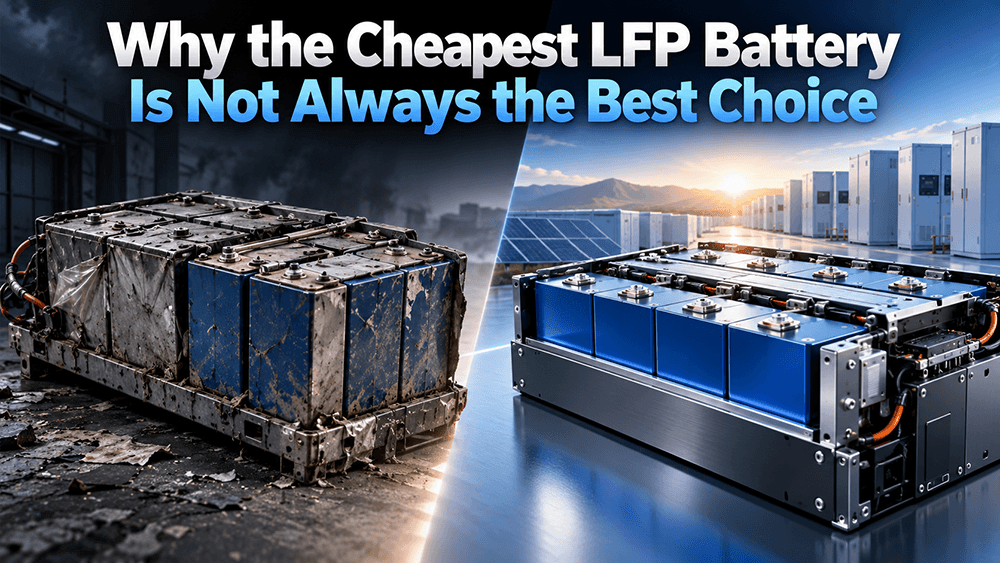
For B2B buyers, the lowest quotation is not always the best purchasing decision. Supplier reliability, product consistency, delivery schedules, and warranty support can affect the total cost of ownership.
Demand for battery energy storage systems is expanding beyond electric vehicles.
Key applications include:
Residential solar battery storage
Commercial and industrial peak shaving
Backup power for businesses
Renewable energy integration
Grid-scale battery energy storage systems (BESS)
Data center power infrastructure
As more solar and wind power enters electricity systems, batteries can help shift energy from periods of high generation to periods of high demand.
This creates additional demand for LFP batteries. If demand grows rapidly, it could offset some of the cost reductions achieved through manufacturing improvements.
Technological improvements can reduce the cost of delivering a given amount of usable energy.
Examples include better production yields, improved cell designs, more efficient battery management systems (BMS), and more compact system integration.
Larger-capacity cells may also reduce the number of cells and connections required in certain system designs. However, compatibility, safety requirements, thermal management, and system architecture must be considered before choosing a larger cell format.
The key question is not simply whether the battery is cheaper per unit, but whether it delivers better performance and value over its service life.
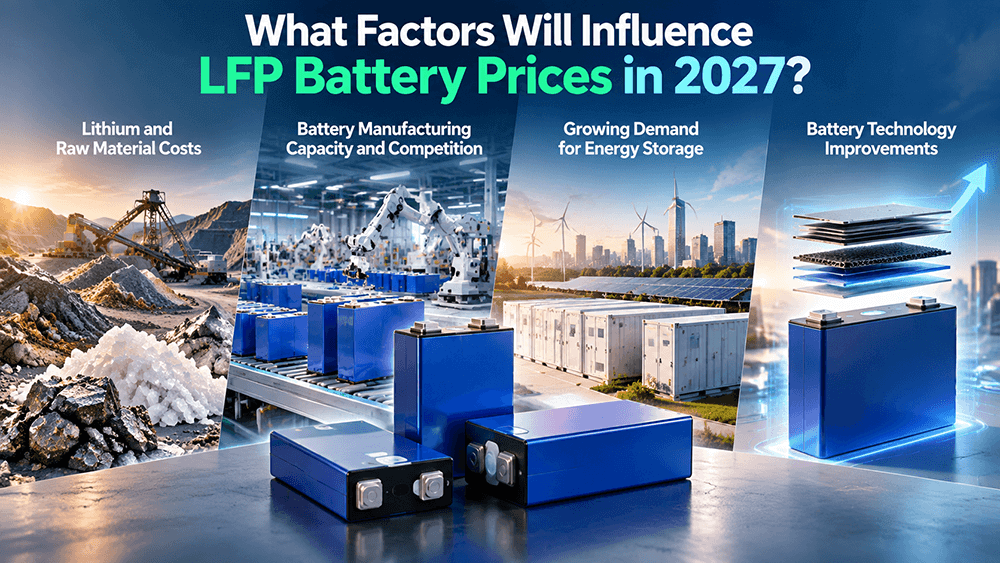
High-capacity LFP cells, including 280Ah and 314Ah formats, are widely used in energy storage applications.
Whether 314Ah battery cells will become cheaper in 2027 depends on production capacity, material costs, customer demand, and the competitiveness of individual suppliers.
When comparing 280Ah and 314Ah cells, buyers should evaluate more than the purchase price.
| Comparison factor | What buyers should check |
|---|---|
| Rated capacity | Confirm the actual rated Ah and nominal voltage |
| Energy per cell | Compare nominal energy in Wh |
| Cell consistency | Review capacity, internal resistance, and batch consistency |
| Cycle life | Check test conditions and the manufacturer's specifications |
| Compatibility | Verify electrical and mechanical compatibility with the system |
| Supply stability | Confirm production capacity and repeat-order availability |
| Warranty | Review coverage, exclusions, and supplier responsibilities |
A higher-capacity cell can offer advantages in system integration, but it is not automatically the better choice for every project.
Lower battery prices can create opportunities for distributors and project developers. However, purchasing decisions based only on the initial quotation can introduce avoidable risks.
Battery quality affects system performance and reliability. Buyers should request technical specifications, quality-control information, and appropriate test documentation.
For bulk orders, it is also important to confirm that the supplied products meet the agreed specifications across production batches.
A battery's rated cycle life should be evaluated alongside its depth of discharge, operating temperature, charging conditions, and end-of-life capacity definition.
For example, a cycle-life figure without test conditions does not provide enough information to compare two products fairly.
Usable energy capacity is also important. Two batteries with the same nominal capacity may deliver different amounts of usable energy under their specified operating limits.
A reliable battery management system helps monitor battery conditions and manage operating limits.
For integrated systems, buyers should also check inverter compatibility, communication protocols such as CAN and RS485, protection functions, and monitoring capabilities.
These considerations are especially important for installers and system integrators who need to deliver dependable solutions to end customers.
Warranty terms can have a significant effect on long-term project economics.
Before purchasing, confirm the warranty period, covered components, performance conditions, technical support arrangements, and the process for handling product issues.
For overseas distributors, the availability of replacement products, spare parts, and responsive technical support can be just as important as the initial battery price.
For wholesalers, distributors, installers, and energy storage project developers, the best approach is to prepare for price uncertainty rather than assume that prices will continually decline.
1. Compare quotations on the same basis.
Check the cell chemistry, rated capacity, product configuration, delivery terms, warranty, and order quantity. Make sure that cell-only prices are not being compared with complete battery system prices.
2. Work with suppliers that offer stable product specifications.
Consistent quality and repeat-order availability can simplify inventory management and reduce the risk of project delays.
3. Evaluate total cost of ownership.
Consider usable energy, efficiency, expected service life, maintenance, warranty, and replacement costs alongside the initial purchase price.
4. Avoid excessive inventory commitments.
For large orders, consider staged purchasing, demand forecasts, and agreed quotation-validity periods. This can help manage price volatility and reduce inventory risk.
5. Build relationships with reliable manufacturers.
A dependable supplier can provide technical documentation, product selection support, and communication throughout the purchasing process.
For B2B buyers, a competitive quotation is valuable, but long-term supply reliability is essential.
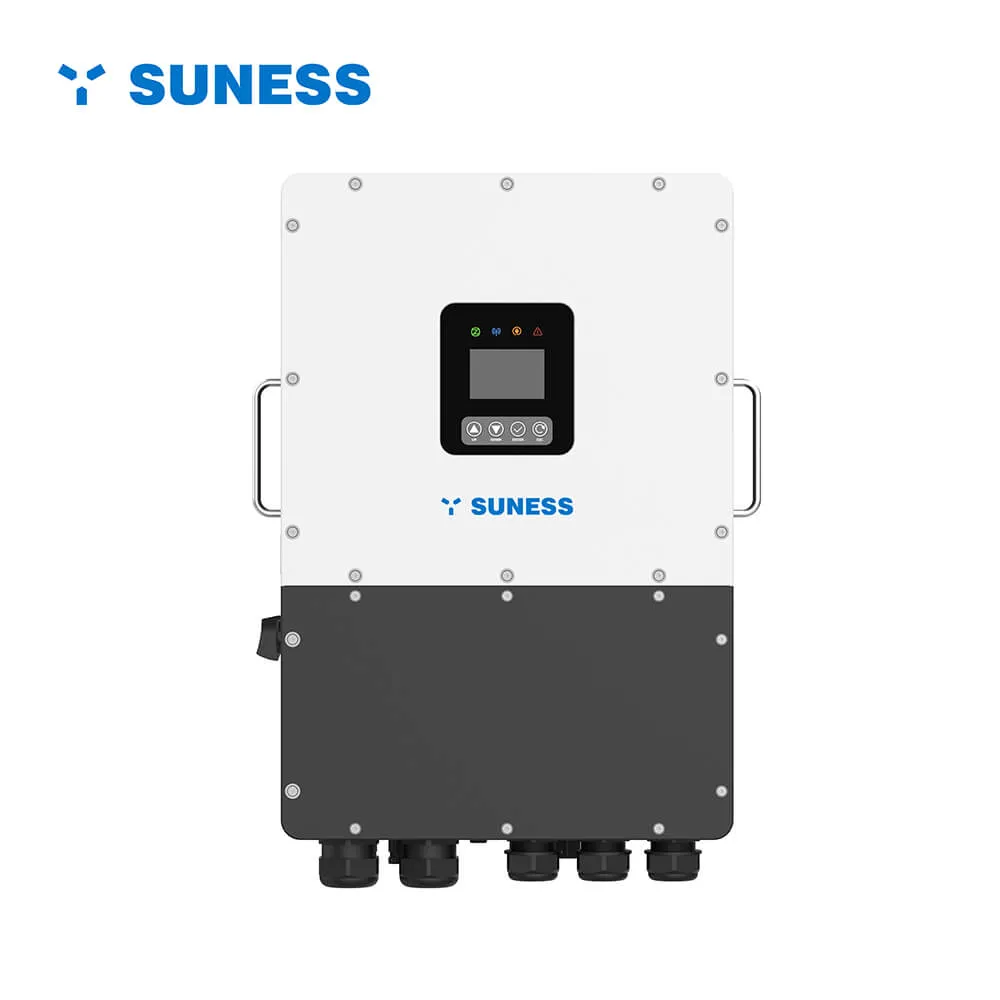
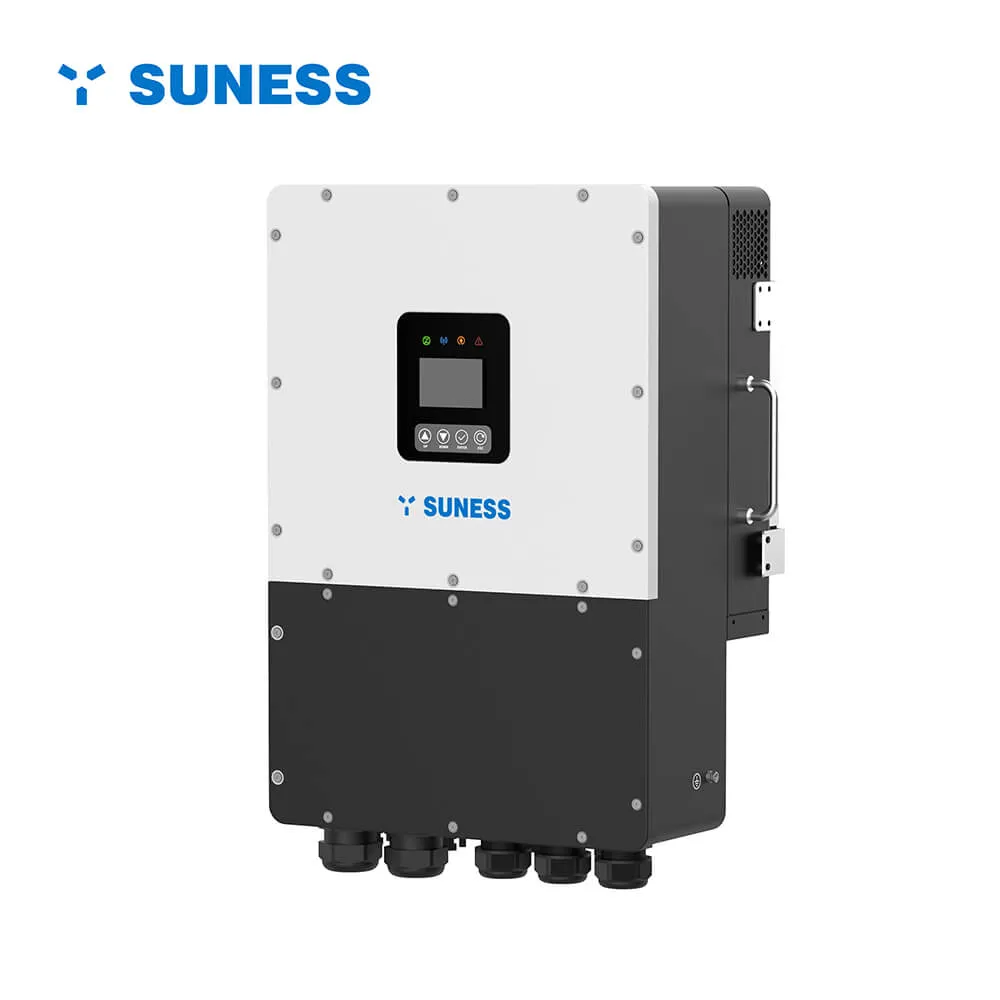
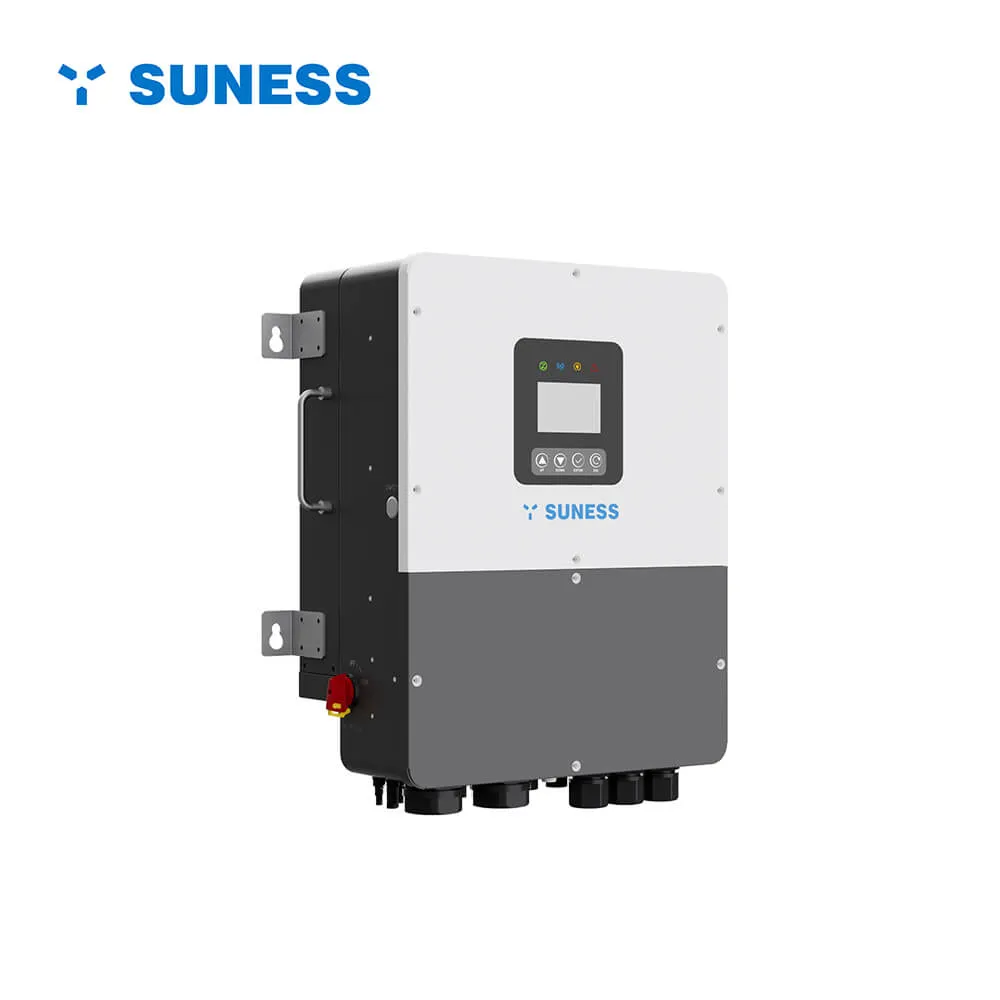
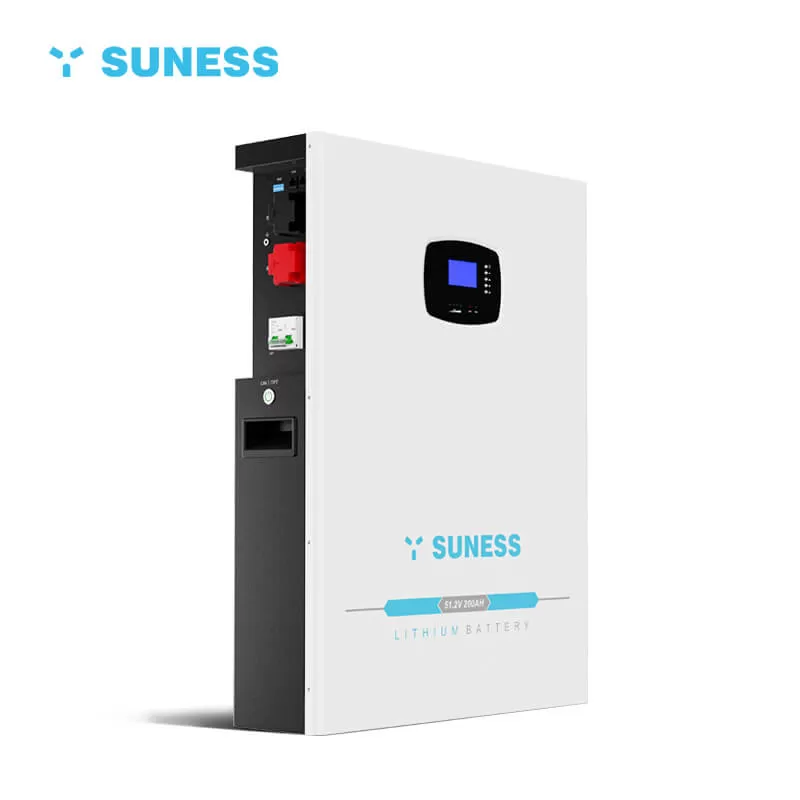
SUNESS provides energy storage products and solutions for residential and commercial and industrial applications. The product portfolio supports different capacity requirements and system configurations.
Relevant product categories include:
Residential LFP batteries: Modular capacity options for solar energy storage and backup power.
High-voltage energy storage systems: Designed for suitable commercial and industrial applications requiring scalable battery capacity.
C&I battery storage solutions: Options for businesses evaluating backup power, solar self-consumption, and energy management.
Battery cells: Different cell formats and capacities for customers evaluating battery sourcing and system integration requirements.
When evaluating a battery supplier, buyers should confirm the exact product specifications, available certifications, warranty conditions, production arrangements, and compatibility with their intended application.
SUNESS works with B2B customers seeking energy storage products for distribution, installation, and project applications. Contact the SUNESS team to discuss product specifications, capacity requirements, and supply options for your market.
LFP battery prices may continue to decline if manufacturing efficiency improves and supply remains abundant. However, rising raw material costs or stronger demand could slow the decline or cause prices to increase in some segments. No specific 2027 price level should be treated as guaranteed.
Major factors include lithium and other raw material prices, manufacturing capacity, production efficiency, competition, battery specifications, order volume, and logistics costs.
Not necessarily. A 314Ah cell has a higher rated capacity, but buyers should also compare energy density, dimensions, cycle-life conditions, consistency, compatibility, and overall system economics.
No. The purchase price is only one part of the total cost. Usable energy, efficiency, expected service life, warranty, maintenance, and replacement costs should also be considered.
Check the supplier's technical documentation, quality-control procedures, product traceability, warranty terms, production capability, and after-sales support. For bulk purchases, confirm specifications and delivery requirements before placing an order.
Battery prices in 2027 will depend on the balance between raw material costs, manufacturing capacity, technological progress, and growing energy storage demand.
Further cost reductions are possible, but buyers should not assume that every battery category will become cheaper at the same rate.
For distributors, installers, and project developers, the strongest purchasing strategy is to compare products on a consistent basis, evaluate long-term performance, and work with suppliers that can support reliable delivery and technical service.
Looking for LFP battery solutions for your market? Contact SUNESS to discuss residential and commercial energy storage products, battery specifications, and B2B supply requirements.
Buyers should also confirm whether quoted prices refer to individual cells, battery modules, complete battery packs, or integrated BESS equipment. These products have different cost structures and should not be compared directly.
Deixe sua mensagem
Valores fundamentais da empresa
Paixão, Esforço, Pragmatismo, Promissor
Visão Corporativa
Tornar-se um líder global em armazenamento inteligente de energia
Missão corporativa
Deixe a energia limpa entrar em milhares de lares